いろ
Iro
The colour
しろ
Shiro
White
くろ
Kuro
Black
ちゃいろ
Chairo
Brown
むらさき
Murasaki
Purple
ももいろ
Momoiro
Pink
あおい
Aoi
Blue
みどり
Midori
Green
あかい
Akai
Red
おれんじ
Orenji
Orange
きいろ
Kiro
Yellow
はいいろ
Haiiro
Grey
うすい
Usui
Light
こい
Koi
Dark
あかるい
Akarui
Bright
けいこうの
Keikouno
Fluorescent
つよい
Tsuyoi
Intense
くすんだ
Kusunda
Matte
Showing posts with label japan. Show all posts
Showing posts with label japan. Show all posts
Monday, September 2, 2013

Adverbs of frequency
いつも
Itsumo
Always
わたし は しょくじ の あと いつも は を みがきます。
Watashi wa shokuji no ato itsumo ha wo migakimasu.
I always brush my teeth after meals.
かのじょ は あさ いつも しあわせ です。
Kanojo wa asa itsumo shiawase desu.
She is always happy in the morning
たいてい
Taitei
Usually
かれら は たいてい ごご に さんぽ に いきます。
Karera wa taitei gogo ni sanpo ni ikimasu.
They usually go for a walk in the afternoon.
わたし の りょうしん は たいてい しちがつ に きゅうか を とります。
Watashi no ryoushin wa taitei shichigatsu ni kyuuka wo torimasu.
My parents are usually on holidays in July.
よく
Yoku
Often
わたしはし ゅ うまつ に よく えいがかん に いきます。
Watashi wa shuumatsu ni yoku eigakan ni ikimasu.
I often go to the cinema at the weekend.
わたしたちわ ごご よく に つかれています。
Watashitachi gogo yoku ni tsukareteimasu.
We are often tired in the afternoon.
ときどき
Tokidoki
Sometimes
あなた は ときどき テレビ の まえ でゆうしょくをたべます。
Anata wa tokidoki terebi no mae de yuushoku wo tabemasu.
You sometimes eat dinner in front of the television.
うさぎ は ときどき かいしゃ に いません。
Usagi wa tokidoki kaisha ni imasen.
Usagi is sometimes out of the office.
めったに。。。ない。
Mettani...nai
Rarely
かれら は めったに やさいをたべません。
Karera wa mettani yasai .
They rarely eat vegetables.
かのじょ は めったに そんなに ふこうに かんじません。
Kanojo wa mettani sonnani fukouni kanjimasen.
She is rarely so unhappy.
ほとんど。。。ない
Hotodono...nai
Hardly ever
わたしは ほとんど しゅうまつ に でかけません。
Watashi wa hotodono shuumatsu ni dekakemasen.
I hardly ever go away at the weekend.
かれら は ほとんど そんあにひかんてきになりません。
Karera wa hotodono sonnani hikantekini narimasen.
They are hardly ever so negative.
まったく。。。ない
Mattaku...
Never
わたし は まったく きゅうゆう に ありません。
Watashi wa mattaku kyuuyuu ni arimasen.
I never see my old friends.
かれら は まったく しごと に おくれません。
Karera wa mattaku shigoto ni okuremasen.
They are never late for work.
Itsumo
Always
わたし は しょくじ の あと いつも は を みがきます。
Watashi wa shokuji no ato itsumo ha wo migakimasu.
I always brush my teeth after meals.
かのじょ は あさ いつも しあわせ です。
Kanojo wa asa itsumo shiawase desu.
She is always happy in the morning
たいてい
Taitei
Usually
かれら は たいてい ごご に さんぽ に いきます。
Karera wa taitei gogo ni sanpo ni ikimasu.
They usually go for a walk in the afternoon.
わたし の りょうしん は たいてい しちがつ に きゅうか を とります。
Watashi no ryoushin wa taitei shichigatsu ni kyuuka wo torimasu.
My parents are usually on holidays in July.
よく
Yoku
Often
わたしはし ゅ うまつ に よく えいがかん に いきます。
Watashi wa shuumatsu ni yoku eigakan ni ikimasu.
I often go to the cinema at the weekend.
わたしたちわ ごご よく に つかれています。
Watashitachi gogo yoku ni tsukareteimasu.
We are often tired in the afternoon.
ときどき
Tokidoki
Sometimes
あなた は ときどき テレビ の まえ でゆうしょくをたべます。
Anata wa tokidoki terebi no mae de yuushoku wo tabemasu.
You sometimes eat dinner in front of the television.
うさぎ は ときどき かいしゃ に いません。
Usagi wa tokidoki kaisha ni imasen.
Usagi is sometimes out of the office.
めったに。。。ない。
Mettani...nai
Rarely
かれら は めったに やさいをたべません。
Karera wa mettani yasai .
They rarely eat vegetables.
かのじょ は めったに そんなに ふこうに かんじません。
Kanojo wa mettani sonnani fukouni kanjimasen.
She is rarely so unhappy.
ほとんど。。。ない
Hotodono...nai
Hardly ever
わたしは ほとんど しゅうまつ に でかけません。
Watashi wa hotodono shuumatsu ni dekakemasen.
I hardly ever go away at the weekend.
かれら は ほとんど そんあにひかんてきになりません。
Karera wa hotodono sonnani hikantekini narimasen.
They are hardly ever so negative.
まったく。。。ない
Mattaku...
Never
わたし は まったく きゅうゆう に ありません。
Watashi wa mattaku kyuuyuu ni arimasen.
I never see my old friends.
かれら は まったく しごと に おくれません。
Karera wa mattaku shigoto ni okuremasen.
They are never late for work.
Saturday, August 31, 2013
Hiragana charts
There are several Hiragana charts and I find that some suits my needs and some don't. I hope you find these useful as I do ^^


Saturday, February 16, 2013
Love language - Japanese
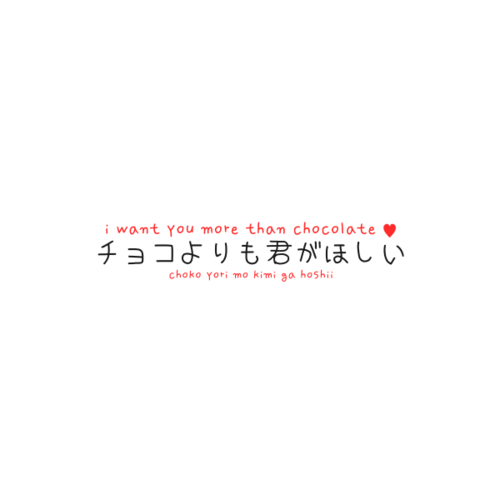
So do you want to know some phrases in Japanese that are about love and romance? Well, look no further! Even though French is regarded as the language of love, I still prefer Japanese. It just sounds so cute and romantic when said in Japanese.
すごく好き
Sugoku suki
I'm crazy about you
愛してる
Aishiteru
I love you
あたしはあなたの彼女
Atashi wa anata no kanojo
I'm yours (female)
ぼくはきみの彼氏
Boku wa kimi no kareshi
I'm yours (male)
Anata wa atashi no kareshi
You're mine (female)
きみはぼくの彼女
Kimi wa boku no kanojo
You're mine (male)
すてきよ
Sutekiyo
You're attractive
キスしてもいい?
Kisushite mo i?
May I kiss you?
Japanese basics
Some notes of mine that I have scanned for your learning fetish ;D


Double consonants and the pronouncation of n:

Long vowels and short vowels:

Grammar and writing system:


Numbers:

Wednesday, November 21, 2012
Japanese question words
Now, this blog isn't dedicated to Japanese but I like to use it to express my tips on learning and to share what I've learnt.
Questions will generally end with ka か. Think か as a question mark. You can turn any statement into a question by adding か at the end.
あなたは 日本人 です
anata wa nihonjin desu.
You are Japanese
Now, by adding か we can turn it into a question.
あなたは 日本人 です か?
anata wa nihonjin desu ka?
Are you Japanese?
Specific question words:
なに or なん*
Nani/nan
What?
なん です か?
nan desu ka?
What is it?
なんじ です か?
nan ji desu ka?
What time is it?
---------------------------------------
どこ
Doko
Where?
どこ です か?
Doko desu ka?
Where is it?
___は どこ です か?
eki wa doko desu ka?
Where is the ___?
--------------------------------------
どなた or だれ
Donata/Dare
Who (formal)/Who(informal)
だれ です か?
dare desu ka?
Who is it?
かれは だれ です か?
kare wa dare desu ka?
Who is he?
-------------------------------------
どちら or どれ
Dochira/dare
Which?
--------------------------------
どのように
Donoyouni
How?
------------------------------------
いつ
Itsu
When?
いつ です か?
itsu desu ka?
When is it?
いつ いきます か?
itsu ikimasu ka?
When are you going?
-----------------------------------
どうして or なんで or なぜ
doushite/nande/naze
Why?
----------------------------------
いくら
Ikura
How much?
いくら ですか?
Ikura desu ka?
How much is it?
いくつ
Ikutsu
How many?
Questions will generally end with ka か. Think か as a question mark. You can turn any statement into a question by adding か at the end.
あなたは 日本人 です
anata wa nihonjin desu.
You are Japanese
Now, by adding か we can turn it into a question.
あなたは 日本人 です か?
anata wa nihonjin desu ka?
Are you Japanese?
Specific question words:
なに or なん*
Nani/nan
What?
なん です か?
nan desu ka?
What is it?
なんじ です か?
nan ji desu ka?
What time is it?
---------------------------------------
どこ
Doko
Where?
どこ です か?
Doko desu ka?
Where is it?
___は どこ です か?
eki wa doko desu ka?
Where is the ___?
--------------------------------------
どなた or だれ
Donata/Dare
Who (formal)/Who(informal)
だれ です か?
dare desu ka?
Who is it?
かれは だれ です か?
kare wa dare desu ka?
Who is he?
-------------------------------------
どちら or どれ
Dochira/dare
Which?
--------------------------------
どのように
Donoyouni
How?
------------------------------------
いつ
Itsu
When?
いつ です か?
itsu desu ka?
When is it?
いつ いきます か?
itsu ikimasu ka?
When are you going?
-----------------------------------
どうして or なんで or なぜ
doushite/nande/naze
Why?
----------------------------------
いくら
Ikura
How much?
いくら ですか?
Ikura desu ka?
How much is it?
いくつ
Ikutsu
How many?
Subscribe to:
Posts (Atom)